Pest Control Te Puke: Borer Inspections and Treatment for Timber in Te Puke
Timber damage rarely announces itself in the way people expect. Most homeowners in Te Puke notice a problem only after something becomes visible: a faint dusting under skirting, a soft patch in a doorway frame, or the unsettling sound of tiny movements inside a wall cavity. By then, the borer activity may have been running quietly for months. That is exactly why pest control Te Puke work often starts with careful inspection, not a quick guess.
I have been on plenty of callouts around the Te Puke area where the initial symptom looked small, but the timber was doing worse than it appeared. A patch of powder near a window might point to one type of borer, while the same powder elsewhere can come from a different species with a different life cycle. When you treat without confirming what you are dealing with, you can end up paying twice, because the timber conditions and insect behavior decide how well a treatment actually works.
Below is how borer inspections and timber treatment typically play out in real homes and sheds across Te Puke, what to look for, and what decisions matter when you are trying to protect structure, not just surface appearance.
Why borers are such a frustrating problem
Borer insects tunnel through timber because it suits them, not because it suits your house. A lot of the damage is hidden. The adult insect may be active for only a short window, while the larval stage can persist through seasons, using timber as both food and shelter. That means you might see adult activity around a period, then go quiet again while damage continues behind plaster, cladding, or linings.
There is also a practical challenge: timber is rarely a single block. It might be a mix of framing members, built-up sections, old repairs, and adjacent materials. Moisture patterns, ventilation, and past leaks change which areas become vulnerable. In my experience, the most successful pest control services Te Puke customers get are the ones that treat the timber issue and the timber conditions together. Fix the conditions and you give treatment a fighting chance.
First, identify what you are actually seeing
Insect borer evidence has a few common forms. The tricky part is that similar signs can point to different causes. Fresh-looking dust might be active boring, while older powder could be residue from previous activity. The size and texture of the frass, the shape of entry holes, and whether you can find frass movement after light disturbance all help refine the picture.
Here is what I pay attention to during inspection, because it tends to separate “cosmetic” from “structural risk” faster than guessing.
- Look for active frass, especially if it appears to accumulate near cracks, door frames, skirting edges, or timber joints.
- Check whether there are fresh-looking entry holes, with clean rims or visible tunnel staining around them.
- Distinguish between powdery frass and more fibrous debris, since the pattern can suggest different borer behaviors.
- Probe soft timber carefully in a few spots, not everywhere, to avoid unnecessary damage and to understand how far the softness extends.
- Note moisture sources: leaking gutters, damp corners, plumbing penetrations, poor ventilation, or condensation on cold surfaces.
If you do not have the right insect identification, you can still reduce risk with good hygiene and targeted treatment. But when you want long-term outcomes, inspection has to be specific enough to guide the correct approach.
What a borer inspection in Te Puke usually involves
A proper inspection is part detective work and part practical assessment. I start by mapping the visible signs across rooms, ceilings, and exterior timber where relevant. Borers do not pest control Te Puke obey your layout, so you need to look at how timber connects.
In many Te Puke properties, timber is present in more places than people remember: architraves, window reveals, subfloor bearers, timber weatherboards, pergolas, outdoor furniture that has been built in, and even older repair blocks hidden behind newer boards. If the house has been renovated, the changes can also create new “nooks” where timber stays slightly damp or insulated from airflow.
I will usually do a combination of:
- Visual inspection for entry holes, frass, staining, and timber weakness.
- Probing and careful testing of suspicious areas to gauge depth and extent.
- Targeted checks in cavities where the most activity tends to concentrate, such as around joints and penetrations.
- Moisture assessment when dampness is part of the story, because treating dry timber while the surrounding environment stays wet is a frustrating mismatch.
Sometimes, evidence is obvious. Other times, it is almost hidden, like a thin dust line you only notice when you run a torch along skirting. In those cases, the difference between a quick visit and a thorough inspection is the difference between treating the right timber and treating the wrong one.
Timber conditions in Te Puke that change the risk
Te Puke’s climate and building styles mean moisture management can make or break the outcome of borer treatment. Timber borers generally do not need the timber to be wet, but they do benefit from timber that stays comfortable for longer periods, including timber with elevated moisture content or repeated wetting and drying cycles.
A few real-world examples from my job history around the area help explain why conditions matter:
One repeat callout I remember involved a corner room with a subtle damp smell after rain. The homeowner initially noticed a tiny cluster of dust near a door frame, then blamed the house’s age. The borer signs were genuine, but the underlying trigger was a gutter overflow and a small water tracking issue that kept the adjacent timber slightly stressed. Once the drainage was corrected and the affected timber was treated properly, the problem stopped showing up.
Another case involved an older shed with “mostly fine” timber that looked sound from the outside. Inside, the area under stored pallets had reduced airflow. The timber stayed slightly warmer and humid, especially around the edges. When we found active frass, it was not where the owner expected. The treatment plan worked better once storage practices and airflow improved.
You can apply treatment to timber, but you cannot wish away ongoing moisture stress. That is why pest control Te Puke jobs often include advice on ventilation, fixing leaks, sealing entry points where appropriate, and adjusting how timber is stored or covered.
The difference between inspection findings and actual treatment decisions
A good inspection does not just tell you that borers exist. It helps you decide whether treatment is enough on its own, whether you need removal of badly damaged timber, or whether you need to open up an area to treat inside a cavity properly.
Here is what usually guides those decisions:
- Extent: one or two localized areas versus widespread damage.
- Timber condition: surface damage only versus deeper structural compromise.
- Access: whether treatment can reach the affected timber without major demolition.
- Evidence of activity: fresh frass and current signs versus old residue.
- Moisture contributors: whether the environment is likely to re-trigger activity.
I have seen situations where treatment alone would have been a waste because the timber was already beyond safe use. In those cases, the best pest control service is often the one that recommends correct repair and removal, not repeated chemical application into damaged material.
Common borer inspection outcomes in Te Puke homes
Different properties show different patterns. A few typical scenarios come up again and again:
-
Localized activity near joinery
Entry points often appear along edges and where timber meets other materials. The damage can be constrained, which makes targeted treatment more realistic. -
Activity in concealed cavities
You might only see frass at a few points, but tunnelling could be deeper. Access becomes a key factor, because treatment needs to reach the active areas, not just the entry points. -
Recurrent “new” signs
If frass appears again after initial treatment, it can mean missed pockets, ongoing moisture issues, or a different insect still active. This is where good diagnostics pay off. -
Sheds, decks, and external timber
Outdoors timber can be exposed to weather and insects at the same time. You may need a different emphasis on monitoring, physical maintenance, and moisture reduction compared to internal timber.
Treatment approaches for timber borers, and why “one method” is rarely enough
Timber treatment is not a single button press. The right method depends on the insect behavior, the stage of activity, and where the timber sits in the building.
In general terms, the treatment options fall into categories like:
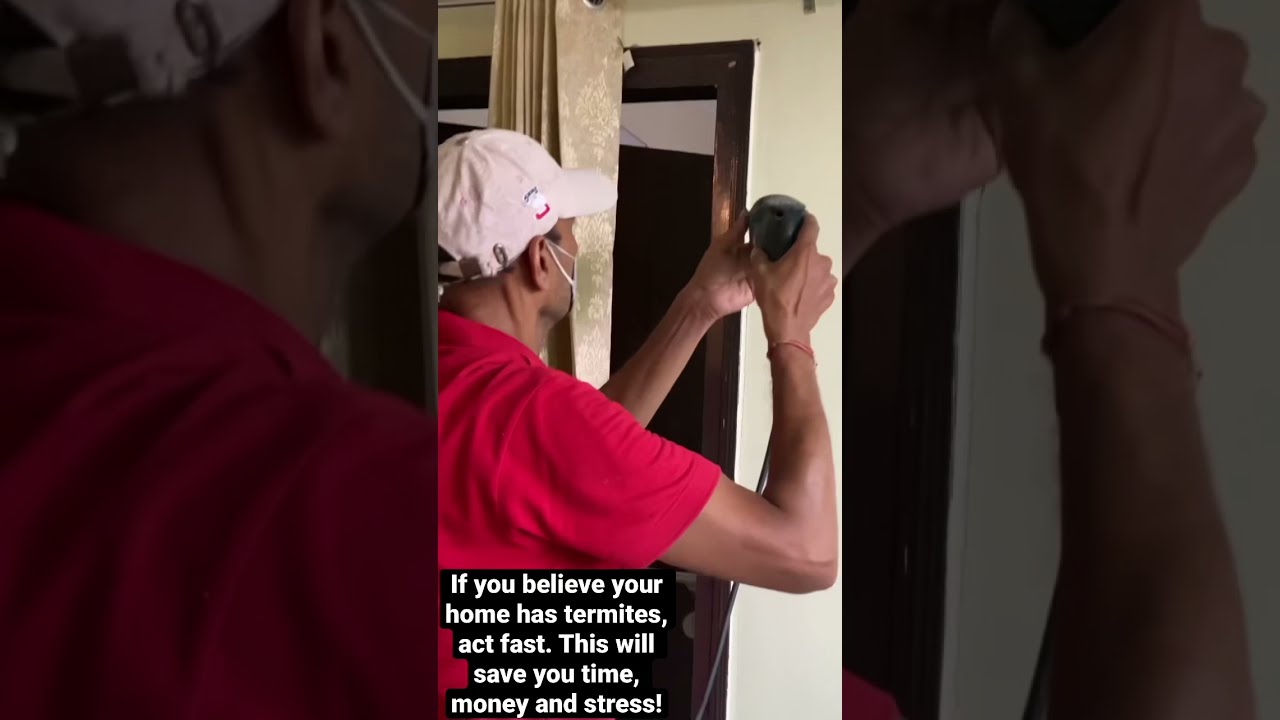
- Treating affected timber directly in accessible areas.
- Using methods that can penetrate into timber where appropriate.
- Treating where insects are likely to move, especially around joints and entry pathways.
- Addressing moisture and access issues so the same conditions do not bring the problem back.
In practice, pest control services Te Puke often choose a combination approach, because borers rarely respect the boundaries between rooms, cavities, and exterior structures.
When you call for pest control Te Puke support, it is worth asking how the treatment plan matches the inspection findings. If the plan only reacts to visible holes and never addresses the surrounding conditions, the odds of repeat activity increase.
What to expect during the treatment phase
Treatment visits vary depending on access and severity. Some work can be done with minimal disruption; other jobs require careful openings to treat inside cavities properly.
To make the process clearer, here is a simple picture of how many jobs progress from inspection to action:
- Confirm active areas and boundaries, then decide what needs treatment versus what needs repair or removal.
- Prepare the site for treatment, including dust control and protecting surrounding finishes.
- Apply treatment using a method suited to the timber type and the accessibility of the affected zones.
- Recheck for evidence where practical, then provide guidance on monitoring and any needed follow-up.
That last part, monitoring, is more important than people expect. A second inspection after treatment helps separate true recurrence from slow changes in evidence visibility.
Judging treatment effectiveness without relying on wishful thinking
Homeowners often want reassurance in a single number, but with timber borers, time and observation matter. Frass behavior and activity can shift after treatment, but you usually cannot judge success based on one moment.
What I recommend is structured observation. Keep an eye on previously active spots, and compare them over time. If new frass appears in fresh locations or the same locations continue to produce active debris weeks later, that is a signal to revisit the inspection and treatment plan.
It is also worth understanding the difference between:
- Residue from old activity, which can linger, and
- Active boring, which usually shows renewed signs like consistent frass near entry points.
In the field, that distinction can be subtle, which is why a professional inspection and recheck can save a lot of guesswork. You are not just paying for chemicals, you are paying for judgment.
Prevention that actually helps, especially for timber around your home
Once you have borers, prevention is about denying the conditions that keep timber vulnerable. That does not mean you need to “overbuild” your house. It does mean you should treat timber like a part of the building system, not just furniture and framing.
Practical prevention often includes:
- Fixing leaks early, including small ones you think are “nothing.”
- Improving airflow around timber, especially in enclosed spaces like under houses or within storage areas.
- Managing condensation sources like ventilation gaps, exhaust fans, and insulation alignment.
- Keeping mulch and plant contact away from timber cladding where possible, since prolonged damp contact can create weak zones.
- Monitoring known trouble areas for a period after treatment, not just once.
Sheds and external structures are a frequent weak spot because maintenance is easier to postpone there. If you have timber stored against walls or covered with damp tarps that trap moisture, you can accidentally create a borer-friendly environment. Even when your interior is treated, exterior timber can remain a source of future activity if it is neglected.
When you should consider repairs or removal, not just treatment
Sometimes the right decision is structural repair. Borers can hollow timber, weaken it, and make it unreliable in load-bearing areas even if the surface looks “mostly okay.”
A key lesson from experience is that timber can be compromised beyond the area you first see. If probing reveals widespread softness or if damage reaches critical junctions, it is often better to remove and replace than to keep trying to “treat it back.”
This is one reason I am careful about scope during inspection. The more accurate the boundaries, the less likely you are to spend money treating timber that should be replaced, or replacing timber that was not actually active.
If you are dealing with a wall lining, floor bearer, or a structural member, it is sensible to involve qualified trades where appropriate. Pest control focuses on insect activity, while carpentry focuses on safe timber integrity. The best outcomes come when those responsibilities are coordinated rather than duplicated.
Questions homeowners in Te Puke should ask before agreeing to treatment
If you want the safest, most defensible outcome from pest control services Te Puke, ask direct questions. You do not need to become a specialist, but you should be able to understand what you are paying for.
Here are a few high-value questions that keep the process grounded:
- What evidence confirms active borer activity, and which areas are considered active versus residual?
- What is the treatment scope, and how does it match the inspection findings?
- Will access be needed to treat inside cavities, and if so, what disruption should we expect?
- How will we monitor effectiveness, and when should a follow-up recheck happen?
- What moisture or maintenance changes are recommended to prevent re-infestation?
If the answers are vague, it usually means the inspection was rushed or the plan is generic. Generic plans can work in very minor cases, but borers tend to punish assumptions.
Realistic timeframes and what “normal” looks like after treatment
People often expect immediate results, like the frass stopping overnight. In reality, changes can take time. If adults emerge, you might still see some activity for a while, then it reduces. If the timber conditions are improving but not fully solved, you may notice intermittent signs.
A reasonable mindset is:
- Signs may taper rather than vanish instantly.
- Rechecking over time gives clarity.
- Fixing moisture drivers is not optional if the environment remains favorable.
Because every situation differs, a professional provider should explain the expected pattern for your specific case. If the treatment plan does not include a practical monitoring approach, you are left guessing.
Caring for timber after the job is done
After treatment, the last thing you want is to undo the benefit. Avoid aggressive cleaning that could disturb or spread residue into other areas. Instead, if you need to clean, do it carefully, and do not rush to cover up evidence before a recheck if one is recommended.
If you are sealing, painting, or repairing timber, coordinate the timing. Covering a previously active area without confirming that activity has settled can hide symptoms that would have guided the next step. On the other hand, if timber repairs are required, completing them properly reduces spaces where borers can re-establish.
For outdoor timber, keep basic maintenance consistent. Clear debris, check for water contact points, and improve airflow around treated timber. Outdoor structures can experience repeated stress after heavy rain periods, so consistent upkeep is what keeps treatment from feeling temporary.
The bottom line for pest control Te Puke and borer issues in timber
Timber borers in Te Puke are not only about insects. They are about timber conditions, hidden damage, and the quality of inspection-based decision making. The difference between a one-off treatment and a durable outcome often comes down to how well the inspection mapped active areas, how accurately the treatment matched the evidence, and whether moisture and maintenance issues were corrected.
If you are seeing frass near joinery, suspicious entry holes, or soft spots in timber, do not wait for the damage to become obvious. In most cases, early action helps keep the problem localized, reduces repair costs, and protects the structure you rely on every day.
And if you are already dealing with a treated area that still shows signs, that is not a reason to panic. It is a reason to recheck. A good borer inspection and targeted pest control services Te Puke approach can narrow down what is happening now, what was missed before, and what needs adjustment to finish the job properly.
https://www.facebook.com/VenturaPestManagement